
Menu
Part of the reaction element of the We Do Your Marketing Way
How brain chemistry drives motivation, emotion and action
Every reaction your marketing creates is powered by chemicals in the brain.
Whether someone feels motivated, calm, excited, connected or compelled to act isn’t accidental — it’s the result of specific chemical responses being triggered at the right moment.
In this section of the Reaction framework, we focus on which chemical responses your campaign is designed to activate, and why that matters for behaviour and decision-making.
Marketing doesn’t just communicate information — it creates internal states.
Different messages, visuals, timings and actions stimulate different chemical responses. When these responses align with your campaign objective, action feels natural rather than forced.
Understanding chemical triggers allows you to:
Below are the primary chemicals we consider when designing campaigns, each linked to a specific psychological outcome.
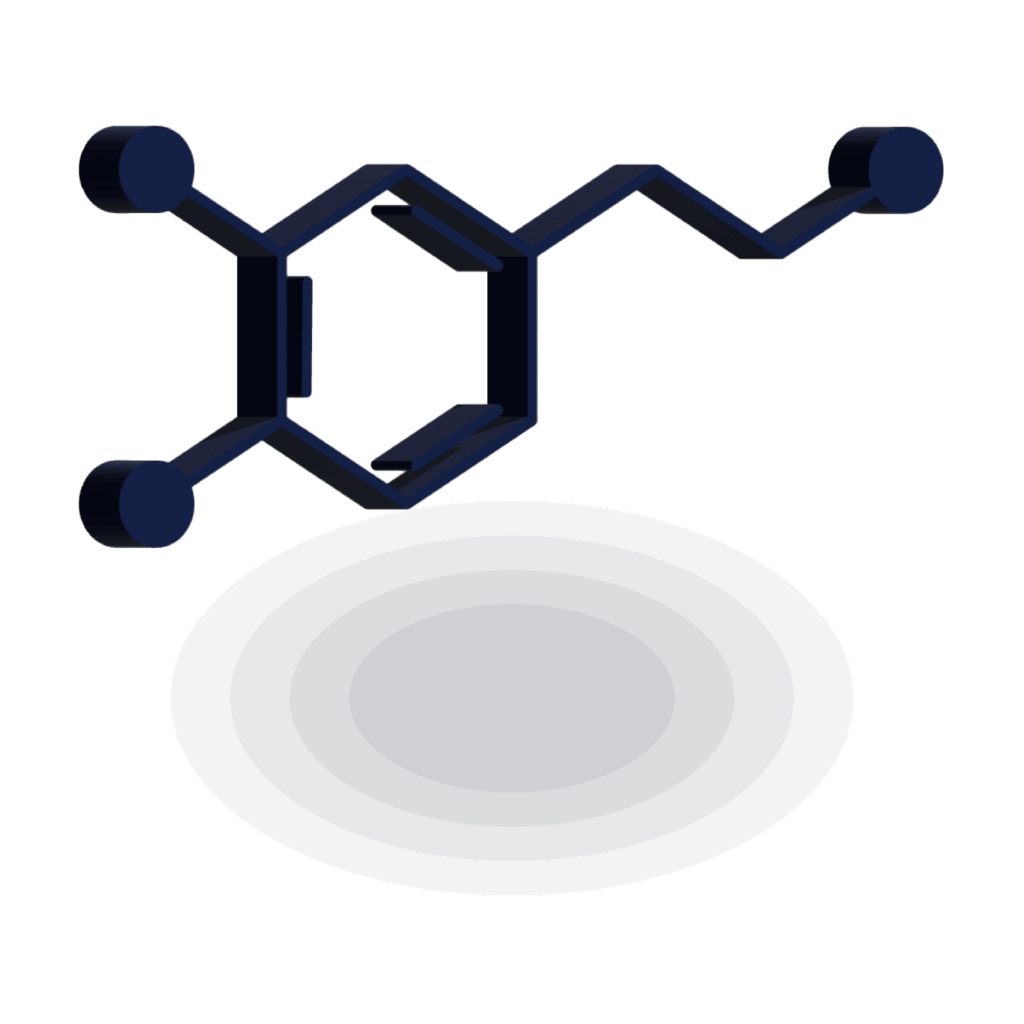
Often called the feel-good chemical, dopamine is responsible for:
Anticipation and excitement
Motivation to pursue goals
The satisfaction of reward
Dopamine-driven campaigns are effective when you want to:
Encourage action
Promote achievement or success
Create desire and momentum

Serotonin helps regulate:
Mood and emotional balance
Confidence and self-worth
A sense of calm satisfaction
This chemical is key when marketing aims to:
Build reassurance
Create long-term trust
Reinforce positive brand association
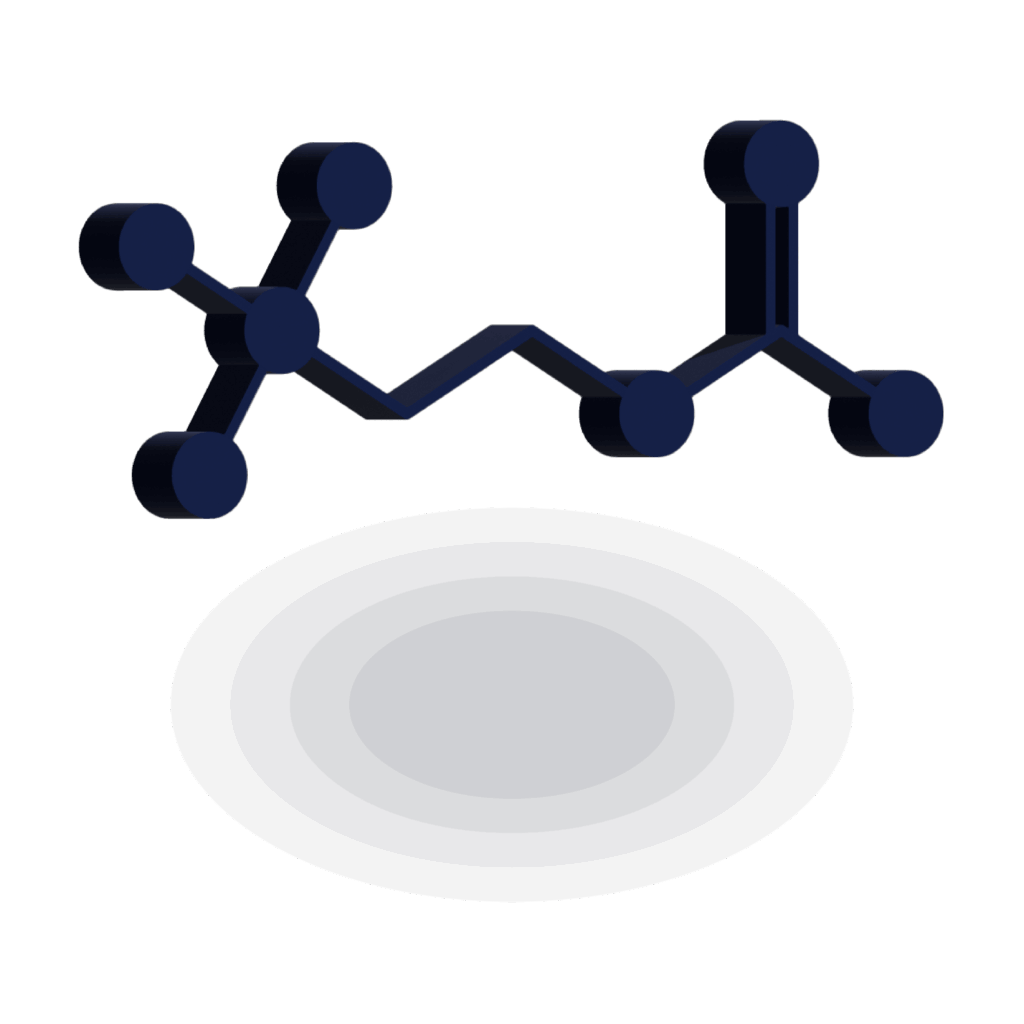
Known as the learning transmitter, acetylcholine supports:
Attention and concentration
Learning and memory
Mental clarity
This is especially important in:
Educational content
Explanatory campaigns
Complex decision environments

Often referred to as the bonding chemical, oxytocin drives:
Trust and emotional connection
Loyalty and long-term relationships
Social bonding
Oxytocin-focused campaigns are ideal for:
Brand trust building
Community-driven messaging
Relationship-led services

Endorphins help reduce stress and discomfort, creating:
Feelings of relief
Enjoyment and light-heartedness
Emotional resilience
These triggers are useful for:
Stress-relieving messaging
Uplifting brand experiences
Positive emotional reinforcement

GABA is the brain’s natural calming agent, reducing:
Anxiety
Overstimulation
Mental noise
This chemical is important when you want your audience to:
Feel safe and reassured
Slow down decision anxiety
Trust the process
Depending on campaign timing and context, we may also consider:
Norepinephrine — Focus and alertness
Glutamic Acid — Cognitive activation and learning
Adrenaline — Urgency, excitement, and intensity
We also remain aware of broader biological influences such as stress hormones, sleep regulators, appetite signals, and mood modulators, especially when planning when and how an action should be encouraged.
How Chemical Triggers Fit the Reaction Stage
Chemical triggers define how your audience feels at the moment of action.
By choosing the right chemical focus, we ensure that:
Motivation aligns with intent
Emotion supports action
Timing feels natural, not pressured
This allows campaigns to work with human psychology — not against it.
In Summary
Chemicals are the invisible drivers behind every decision.
When your marketing intentionally activates the right chemical responses, actions become easier, trust builds faster, and results become more consistent.
This website uses cookies to improve your experience. Choose what you're happy with.
Required for the site to function and can't be switched off.
Help us improve the website. Turn on if you agree.
Used for ads and personalisation. Turn on if you agree.