
Menu
As your SEO programme evolves and new keywords are targeted, your rank tracking setup needs to keep pace. Stale tracking misses the movements that matter — and without current data, it's impossible to know whether your efforts are translating into genuine progress.
Keyword rank tracker updates keep your monitoring aligned with your current priorities. Adding new keywords, removing ones that are no longer relevant, and adjusting the settings that ensure your tracking data continues to reflect the searches your business most needs to win.




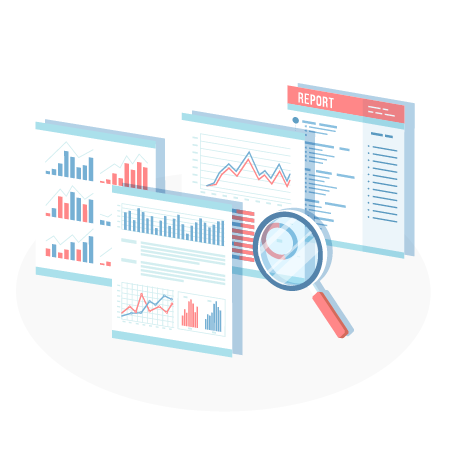
A keyword rank tracker update is a scheduled review and refresh of the keywords being monitored within a rank tracking tool. It involves adding newly targeted terms, removing keywords that are no longer relevant, adjusting location or device settings, and ensuring the tracking setup continues to reflect the current focus of the SEO programme — so the data being produced remains useful and aligned with current priorities.
You need this when a significant piece of content — a guide, a report, a resource — is failing to rank despite being high quality, when you want to understand the specific gap between your content and what’s currently performing for a given search term, or when you want to make a targeted investment in improving the performance of specific high-value pages rather than working across the entire site at once.
This service includes a detailed analysis of a target page’s current performance and ranking gaps, competitive content analysis, a content optimisation brief and implementation of specific improvements to copy, structure, internal linking and technical elements. Delivered as a page-level optimisation project with before-and-after performance monitoring.

Most marketing companies focus on channels and tactics.
We focus on reaction.
Before selecting platforms, formats, or media spend, we define how your audience thinks, feels, and decides. We use behavioural psychology to understand what will capture attention, build trust, and motivate action — then choose the channels that best support that outcome.
Every channel we use has a clear purpose, a defined role, and a measurable objective. Nothing is done “because it’s popular” or “because it’s expected”.
The result is marketing that feels natural to engage with, works across multiple channels, and is designed to deliver meaningful, long-term results.
Want to see how this approach works in practice?
The regular review and maintenance of the keyword set being tracked in rank monitoring software — adding new keywords as content is created, removing irrelevant or outdated terms, and ensuring the tracked set accurately reflects current SEO priorities.
SEO targets evolve as new content is published, as business priorities change and as keyword opportunities shift. A tracker that reflects last year’s keyword priorities doesn’t accurately report whether this year’s SEO activity is working.
When new content targeting specific keywords is published, when a new service or product page is created, when keyword research identifies a new priority term, or when competitor analysis reveals a keyword opportunity not currently tracked.
When a page targeting a keyword has been removed or redirected, when a keyword is no longer commercially relevant due to a change in services or market, or when the term has been consistently not ranking despite optimisation and has been deprioritised.
By grouping them into campaigns or categories — by service, by location, by funnel stage or by content type — so that rank reports reflect the structure of the SEO programme rather than an unorganised list of terms.
A rank tracker provides precise position data for specific keywords checked from a consistent location. Google Search Console shows average position across all queries for which the site received impressions, from real users’ searches. Both are useful and complementary.
Yes. Most professional rank tracking tools allow competitor domains to be added to a campaign, tracking their positions for the same keywords. This shows where you are gaining on or losing to competitors over time.
By reporting position changes for the tracked keyword set, highlighting keywords that have entered the top ten or the top three, identifying keywords that have dropped and require attention, and correlating position changes with specific SEO activity.
A composite metric produced by some tracking tools that combines ranking position and search volume to express overall keyword visibility as a single score. It allows the aggregate effect of position changes across multiple keywords to be tracked.
Weekly for active monitoring of high-priority keywords. Monthly for formal reporting and strategy review. Significant unexpected drops in multiple keywords simultaneously should trigger an immediate review regardless of the scheduled reporting cycle.
This website uses cookies to improve your experience. Choose what you're happy with.
Required for the site to function and can't be switched off.
Help us improve the website. Turn on if you agree.
Used for ads and personalisation. Turn on if you agree.