Menu
Registration is the moment interest becomes commitment — and the experience of signing up shapes how attendees feel about your event before it's even begun. A clunky or confusing registration process creates friction at exactly the wrong moment.
Registration setup builds a process that's smooth, professional and on-brand. Clear, simple, and quick to complete — so the journey from ‘interested’ to ‘registered’ feels as effortless as possible, and your event makes a great impression from the very first interaction.
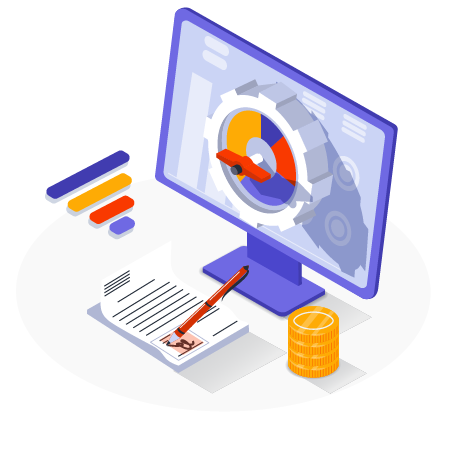
Registration setup is the process of creating the system through which attendees sign up for an event. It involves building the registration form, configuring the booking platform, setting up confirmation emails, managing capacity if relevant, and ensuring the data captured flows correctly into the systems the event team will use for planning and follow-up.
You need this when registrations are lower than expected in the weeks before your event, when you’re launching a new event format with an unproven audience, or when you need to reach beyond your existing database to fill the room. It’s also relevant when you have a target audience in mind but limited organic reach within that community, and paid or targeted promotion is required to bridge the gap.
This service includes the development of a paid and organic promotional plan, creation of event promotion assets across relevant channels, campaign execution and ongoing optimisation against registration targets. May include paid social, search, email and partner promotion. Delivered as a managed promotional campaign with regular performance reporting.

Most marketing companies focus on channels and tactics.
We focus on reaction.
Before selecting platforms, formats, or media spend, we define how your audience thinks, feels, and decides. We use behavioural psychology to understand what will capture attention, build trust, and motivate action — then choose the channels that best support that outcome.
Every channel we use has a clear purpose, a defined role, and a measurable objective. Nothing is done “because it’s popular” or “because it’s expected”.
The result is marketing that feels natural to engage with, works across multiple channels, and is designed to deliver meaningful, long-term results.
Want to see how this approach works in practice?
Event promotion and marketing covers all the activity that drives awareness, interest and registration for your event — from initial awareness-building through to last-minute registration pushes — across paid, owned and earned channels.
Email to an existing list, LinkedIn for professional events, paid social for broader reach, PR for credibility, content marketing for sustained visibility and partner channels for accessing relevant new audiences. The right mix depends on the event type and target audience.
For a significant event, promotion should begin six to eight weeks before the date. A save-the-date announcement is often the first touchpoint, followed by a full event details release and a sustained campaign building to the event date.
The event landing page. All promotional activity drives traffic to a single page that must communicate the value of attending clearly, prominently and compellingly enough to convert a visitor into a registrant. A weak event page undermines every other promotional effort.
By providing speakers and partners with branded promotional assets and a clear ask to share with their networks. Speaker social posts and partner communications reach audiences that your own channels may not, and they carry third-party credibility.
Conversion rates vary significantly by event type, audience familiarity and the quality of the landing page. A range of 15–35% for warm traffic (people who already know the brand) and 3–10% for cold traffic (reached through paid advertising) is broadly typical.
Yes, particularly for reaching relevant audiences beyond your existing database. LinkedIn works well for professional events with a defined audience by job title or industry. Meta works well for consumer or broader professional events where interest-based targeting is effective.
Through early-bird pricing, limited availability messaging, deadline-driven content and progressive reveals of speakers or agenda content that create increasing reasons to register. Urgency that’s genuine is more effective than urgency that’s manufactured.
Yes. A prominent event listing, ideally with a dedicated landing page, means that all website visitors who might be relevant to the event’s audience are exposed to it. This is especially valuable for businesses with strong organic traffic.
A final push in the last 48 hours before registration close — a reminder email, a social post, a direct message to high-value prospects who haven’t yet registered — consistently generates a meaningful volume of last-minute sign-ups that would otherwise be missed.
This website uses cookies to improve your experience. Choose what you're happy with.
Required for the site to function and can't be switched off.
Help us improve the website. Turn on if you agree.
Used for ads and personalisation. Turn on if you agree.